Montana might be known today for its wide-open spaces, mountain views, and small-town charm—but its history runs a lot deeper than most people realize.
Nicknamed “The Treasure State,” Montana earned that title long before it became a bucket-list destination for travelers and new residents. The name originally comes from its rich mineral deposits—gold, silver, copper, and coal—that helped shape the state’s early growth and economy in the 1800s.
But Montana’s story starts long before mining towns and railroads.
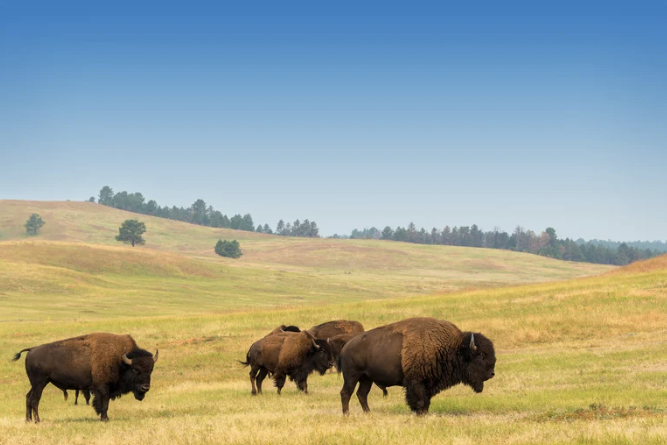
For thousands of years, the land was home to Indigenous tribes including the Crow, Blackfeet, Salish, and Cheyenne. These nations lived closely with the land, following seasonal migrations of buffalo and building cultures deeply tied to Montana’s landscapes. Many of those traditions and histories are still alive today and remain an essential part of the state’s identity.
Fast forward to 1805, when the Lewis and Clark Expedition traveled through Montana on their journey west. Their exploration helped put the region on the map for future settlers and opened the door to what would eventually become one of the most iconic frontier regions in the United States.
By 1864, Montana officially became a U.S. territory, and just 25 years later, in 1889, it became the 41st state.
During that time, Montana was booming with mining towns, railroads, and cattle ranches. Towns grew quickly around gold strikes, some thriving—and others becoming the ghost towns that still exist today as a reminder of the state’s wild and fast-moving past.
But Montana isn’t just history books and old mining stories.
Here are a few fun facts that might surprise you:
- Montana is the 4th largest state in the U.S., but one of the least populated. That means more space, fewer crowds, and endless views.
- There are more cows than people in Montana—by a long shot.
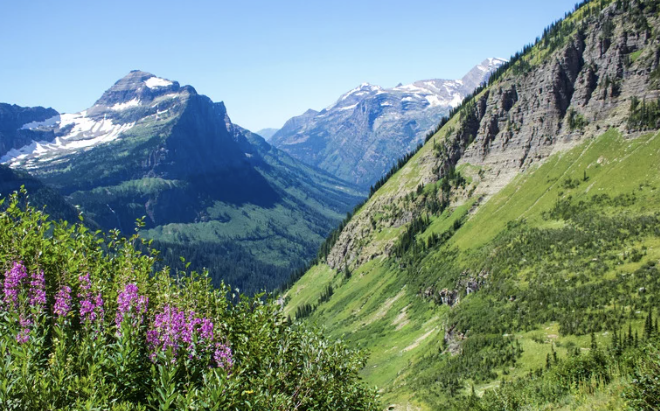
- Glacier National Park once had over 150 glaciers, though climate changes have reduced that number significantly over time.
- Montana is home to two national parks: Glacier and part of Yellowstone.
- The state’s name comes from the Spanish word “montaña,” meaning “mountainous.”
Even today, Montana still carries that frontier spirit. It’s a place where small towns matter, where nature is part of daily life, and where people still value space, simplicity, and community.
That mix of history and lifestyle is exactly what makes Montana so unique. It’s not just a place people move to—it’s a place people experience.
And whether you’ve lived here your whole life or just discovered it recently, there’s always something new to learn about the land, the people, and the stories that shaped it.
Because in Montana, history isn’t just in the past—it’s part of everyday life.