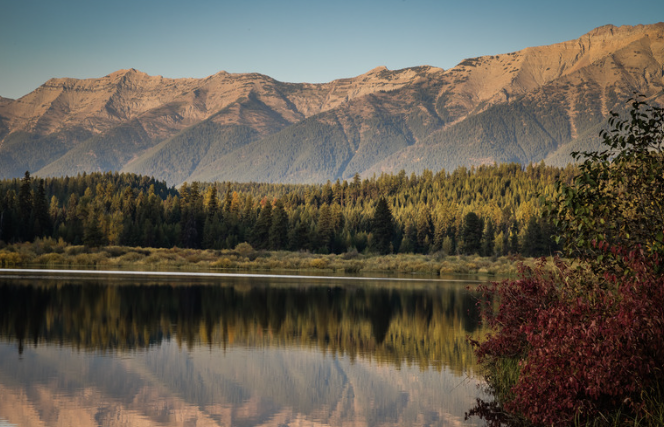
As the larch needles turn that gorgeous shade of radioactive yellow against the backdrop of the Swan and Whitefish mountain ranges, there is no denying that fall in the Flathead Valley is pure magic. Crisp mornings give way to perfect afternoon hikes, the summer traffic on Highway 93 finally thins out, and we can all pretend for a few fleeting weeks that winter isn’t waiting in the bushes with a folding chair.
But for homeowners in Northwest Montana, autumn isn’t just a season—it’s a high-stakes countdown. In the Flathead Valley, winter doesn’t politely knock on the door; it kicks it off the hinges. Taking care of your home right now is the difference between enjoying a cozy alpine dream or staring at a five-figure repair bill while questioning every life choice that brought you north of I-90.
The Autumn Checklist: Do This Before the Ground Turns into Concrete
In Northwest Montana, the first hard freeze sneaks up on you like a deer jumping out on the road to Bigfork. To protect your sanity and your bank account, a few things need your immediate attention before your yard becomes an outdoor ice rink:
- Blowing Out Sprinkler Systems: This is the big one. Your irrigation lines are buried just shallowly enough to freeze solid. Hire a professional with a massive air compressor to blow the water out of those lines. Unless, of course, you’ve always wanted to see what a subterranean water-pipe geyser looks like in your front yard next May.
- Disconnecting Outdoor Hoses: This takes exactly four seconds, yet it’s the most common trap. If you leave a garden hose attached, it traps water inside the spigot. That water expands, cracks the internal fixture inside your wall, and sits there like a ticking time bomb until you turn the knob in the spring and accidentally flood your basement.
- Gutter Clearance: Falling pine needles and larch leaves love to congregate in your gutters. If you don’t clean them out, melting snow will back up under your shingles, freeze into solid glaciers (ice dams), and invite water directly into your living room ceiling.
- Servicing Your Heating System: Do not wait until a November blizzard to find out your furnace has decided to retire. Swap out your filters and get a local tech to look at it now, unless you enjoy sleeping in three layers of Carhartt gear.
The True Risks of “I’ll Do It Next Weekend”
Procrastinating on winter prep in Montana is an extreme sport where the only prize is regret. If you skip winterizing, the freeze-thaw cycle will absolutely wreck your plumbing. Ruptured underground pipes mean tearing up your hard-earned summer landscaping, and burst indoor pipes will turn your drywall into mush. Essentially, playing chicken with a Flathead winter always ends with the winter winning.
“Built Right” in Montana: Designing for the Full Weather Rollercoaster
Living here means experiencing the full, chaotic spectrum of mother nature. We get scorching 90°F summer days, relentless spring mud, and sub-zero winter stretches with five feet of heavy snow. A home built here can’t just look pretty on Pinterest; it has to be fundamentally engineered to survive the geographical gauntlet of the 406.
When a home is truly “built right” for all four seasons, the chaotic weather is factored into the blueprints long before the foundation is poured:
- Snow Load Engineering: Rooflines need to be mathematically designed so that hundreds of pounds of heavy snow don’t collapse your ceiling or avalanche directly onto your head when you step out the front door.
- Smart Solar Orientation: Positioned perfectly to catch the low winter sun for free warmth, while using architectural overhangs to keep your house from turning into a greenhouse during a July heatwave.
- Advanced Thermal Envelopes: High-performance insulation and strategically placed triple-pane windows mean your indoor climate stays perfectly stable. You stay cool in July and warm during a January cold snap without having to sell a kidney to pay the energy bill.
- Resilient Exterior Materials: Cheap siding will crack, warp, and cry Uncle after its first Montana winter. Utilizing durable, locally sourced timber, stone, and heavy-duty composites ensures the house can safely expand and contract as the seasons change.
By combining a little autumn elbow grease with a home that was fundamentally built to handle Northwest Montana’s mood swings, you can stop stressing over the weather forecast and actually enjoy winter.